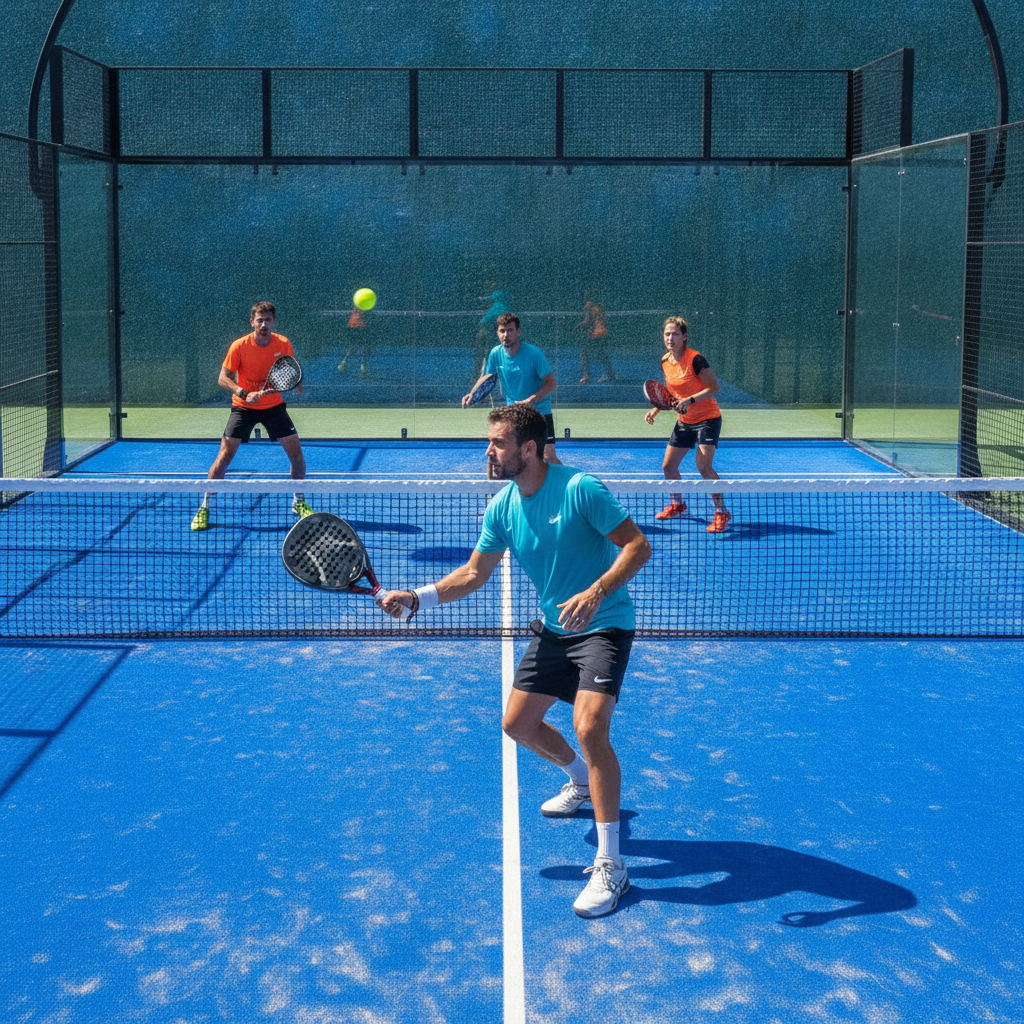
Padel Balls Unpacked: Pressurized vs. Pressureless, Brands, & Lifespan Explained
Dive deep into the world of padel balls. Learn the pros and cons of pressurized vs. pressureless, discover leading brands, and get expert tips on ball maintenance and longevity for every match.
The Core Difference: Pressurized vs. Pressureless Padel Balls
Understanding the type of padel ball you’re playing with is fundamental to optimizing your game. The primary distinction lies in how the ball generates its bounce: through internal air pressure or the inherent elasticity of its rubber core. This difference profoundly impacts speed, feel, durability, and ultimately, your performance.
Pressurized Padel Balls: The Pro's Choice
These are the standard for competitive play and what you’ll find in most official tournaments. Pressurized padel balls are filled with inert gas (typically air or nitrogen) at a higher pressure than the ambient air outside. This internal pressure provides a lively, consistent bounce and allows for greater ball speed and spin potential. They are usually sold in airtight cans to maintain their pressure until opened.
- Pros: Superior feel, faster play, higher bounce, allows for more aggressive spin and power shots, consistent performance (initially).
- Cons: Shorter lifespan (lose pressure quickly), higher cost per game, performance degrades noticeably after a few sets.
Pressureless Padel Balls: The Durable Alternative
Unlike their pressurized counterparts, pressureless padel balls derive their bounce solely from the density and elasticity of their solid rubber core. They do not contain internal air pressure. This construction makes them incredibly durable and ideal for casual play, training, or ball machines where longevity is prioritized over peak performance.
- Pros: Extremely durable, consistent bounce over a long period (doesn't lose pressure), cost-effective for practice, slightly slower game pace (can be beneficial for beginners).
- Cons: Heavier feel, lower bounce, less dynamic play, harder to generate speed and spin, not suitable for competitive matches.
Choosing the Right Ball for Your Game
Your choice of padel ball isn't just a preference; it's a strategic decision. Consider your skill level, the type of game you're playing, and even environmental factors.
- Beginners/Casual Players: Pressureless balls are a great starting point. Their slower pace and consistent bounce allow more time to react and develop strokes without the frustration of quickly deadening balls. They're also more economical.
- Intermediate Players: As your game progresses, transitioning to pressurized balls will enhance your feel and allow for more advanced shots like vivoras and bandejas with better spin. Experiment with different brands to find a feel you prefer.
- Advanced/Competitive Players: Pressurized balls are non-negotiable for serious play. They offer the speed and responsiveness required for high-level padel. Be prepared to change balls frequently to maintain optimal performance.
Environmental Factors:
- Altitude: At higher altitudes, balls tend to bounce more due to lower air density. Some brands offer specific "high altitude" balls (e.g., Head Padel Pro S) with slightly less internal pressure to compensate.
- Temperature: Hotter temperatures increase internal ball pressure, leading to a faster, higher bounce. Colder temperatures reduce pressure, resulting in a deader, slower ball.
Top Padel Ball Brands You Need to Know
The padel ball market is dominated by a few key players known for quality and performance. Here’s a rundown of the most popular brands and their flagship offerings:
Head Padel Balls
Head is arguably the most dominant brand in padel balls. Their Head Padel Pro is the official ball of the World Padel Tour (WPT) and is renowned for its durability, control, and consistent bounce. The Head Padel Pro S offers a slightly faster and livelier bounce, ideal for colder conditions or players seeking more speed. They also produce the Head Padel One, a more accessible and durable option for club players.
Bullpadel Padel Balls
A Spanish brand deeply rooted in padel, Bullpadel offers high-quality balls that compete directly with Head. The Bullpadel Premium Pro is a popular choice for its consistent bounce and good durability for a pressurized ball. They are often chosen for official tournaments by national federations. The Bullpadel FIP Next is another excellent option, often used in FIP (International Padel Federation) events, known for its lively feel and speed.
Nox Padel Balls
Nox has gained significant traction in the padel world, known for their quality rackets and balls. Their Nox Titanium padel balls are favored for their excellent durability and consistent flight path. The Nox Pro offers a slightly faster game, often praised for its responsiveness and feel during intense rallies.
Other Notable Brands
Brands like Dunlop (Padel Tour), Wilson (Padel Speed), and Babolat (Padel Tour) also offer excellent padel balls that are widely used. While they might not be the official balls of major tours, they provide reliable performance for players of all levels. It's always worth trying a few different brands to find the one that best suits your playing style and preferences.
The Lifespan of a Padel Ball: When to Change Them
Padel balls, especially pressurized ones, are not designed to last forever. Their performance degrades over time and with use. For pressurized balls, the primary issue is the loss of internal pressure, leading to a 'dead' feel, reduced bounce, and slower play. For pressureless balls, wear manifests as a loss of elasticity in the rubber core and external fraying.
Pro Tip: The 'Bounce Test' for Pressurized Balls
Drop a padel ball from shoulder height (approx. 1.5 meters) onto a hard surface. A new, healthy ball should bounce back to around chest/waist height (between 135 and 145 cm, according to FIP rules for new balls). If it barely reaches your knee, it's time for a change. For a more precise check, the FIP rule states a new ball should bounce between 135 and 145 cm when dropped from 2.54m onto a hard surface. Adjust your expectations for used balls.
Factors Affecting Ball Wear
- Play Intensity: Hard hitters and aggressive players will deplete ball pressure faster.
- Court Surface: Rougher surfaces (e.g., older artificial turf) cause more friction and wear on the felt.
- Weather Conditions: Hot weather accelerates pressure loss; damp conditions can make balls heavier and slower.
- Ball Type: As discussed, pressurized balls wear out faster than pressureless ones.
Practical Guidance on Ball Replacement
There's no single answer, but here are general recommendations for pressurized balls:
- Competitive Matches: Use a fresh can (3 balls) for every match. Professionals often change balls every 7-9 games.
- Serious Training/Social Play: A can can typically last 1-2 sessions (2-4 hours of play) before a noticeable drop in performance. After this, they can be relegated to casual practice or warm-ups.
- Casual Play/Beginners: You might get 3-5 sessions out of a pressurized can before they become too dead to enjoy. Pressureless balls, however, can last for months or even years of casual play.
Maximizing Your Padel Ball's Playability
While you can't stop the inevitable, you can slow down the degradation of pressurized padel balls and maintain their performance for longer.
- Use a Ball Pressurizer: Products like the Pascal Box or TuboPlus allow you to store opened cans of pressurized balls under pressure, significantly extending their lifespan and maintaining their bounce for multiple sessions. This is a game-changer for regular players.
- Store Properly: Keep balls away from direct sunlight and extreme temperatures (hot or cold). Store them in a cool, dry place. Heat can accelerate pressure loss, while cold can make them feel dead.
- Rotate Balls: If you're using multiple cans for practice, rotate them evenly to ensure consistent wear across your collection.
Environmental Impact & Recycling Padel Balls
The sheer volume of padel balls discarded annually poses a significant environmental challenge. Most padel balls are made from a combination of rubber and felt, materials that are difficult and slow to decompose. As the sport grows, so does the waste problem.
- Recycling Programs: Look for local initiatives or club programs that collect used padel (and tennis) balls for recycling. Some companies convert them into playground surfaces, sports courts, or other useful products.
- Reuse: Even 'dead' pressurized balls or worn pressureless balls can be reused for dog toys, furniture leg protectors, or creative DIY projects. Every ball diverted from landfill helps.
Find the best padel clubs near you
BestPadel is the world's largest padel club directory. Search over 50,000 clubs in 100+ countries and book your next game.