Beyond the Volley: The Neuro-Social Health Benefits of Padel
An in-depth analysis of how padel's unique blend of physical exertion and social dynamics offers a powerful antidote to modern loneliness and sedentary life.
The Modern Paradox: Connected Yet Isolated
In an era of unprecedented digital connectivity, a pervasive sense of social isolation has become a significant public health concern. The decline in community-based activities has left a void that technology fails to fill, leading to increased rates of anxiety, depression, and sedentary-related illnesses. Against this backdrop, the sport of padel emerges not merely as a recreational activity, but as a potent intervention with profound physiological and psychosocial benefits. This analysis explores the multifaceted padel health benefits, examining how its intrinsic structure combats loneliness and enhances overall well-being.
Physiological Adaptations and Cardiovascular Health
Padel is classified as an intermittent high-intensity sport, characterized by short, explosive bursts of movement followed by brief recovery periods. This dynamic nature provides a superior cardiovascular workout compared to steady-state exercises.
- Cardiovascular Conditioning: The constant acceleration, deceleration, and lateral movements elevate the heart rate into optimal training zones (70-85% of maximum heart rate). This improves VO2 max, enhances cardiac efficiency, and lowers resting blood pressure and heart rate over time.
- Musculoskeletal Strength: Engaging the entire kinetic chain, padel strengthens the core for stability, the lower body for power and agility, and the upper body for shot execution. The use of a solid, stringless paddle reduces the incidence of tennis elbow (lateral epicondylitis) while still promoting muscular endurance in the forearm and shoulder girdle.
- Metabolic Impact: A typical 60-minute padel match can burn between 400 and 700 calories, making it an effective tool for weight management and improving insulin sensitivity. The high-intensity intervals are particularly effective at stimulating post-exercise oxygen consumption (EPOC), leading to a prolonged metabolic uplift.
The Neurochemical Cascade: Padel's Effect on the Brain
The cognitive demands of padel trigger a complex and beneficial neurochemical response that extends far beyond the well-documented 'endorphin rush'.
- Dopaminergic Pathways: The strategic nature of padel—anticipating an opponent's shot, executing a successful bandeja, or winning a hard-fought point—activates the brain's reward system, releasing dopamine. This not only enhances feelings of pleasure and motivation but also reinforces the positive behaviors associated with the sport.
- Serotonin and Mood Regulation: Sustained physical activity, combined with positive social interaction and sunlight exposure (in outdoor courts), boosts serotonin levels, a key neurotransmitter in mood regulation. This provides a natural antidepressant effect, helping to alleviate symptoms of anxiety and depression.
- Brain-Derived Neurotrophic Factor (BDNF): The complex motor skills and tactical decision-making required in padel stimulate the production of BDNF, a protein crucial for neurogenesis and neuroplasticity. This 'Miracle-Gro for the brain' supports cognitive functions like memory, learning, and executive function.
A Social Blueprint: Padel as an Antidote to Loneliness
Perhaps the most significant of the padel health benefits is its inherent social architecture. Unlike individual sports, padel is structurally designed to foster human connection.
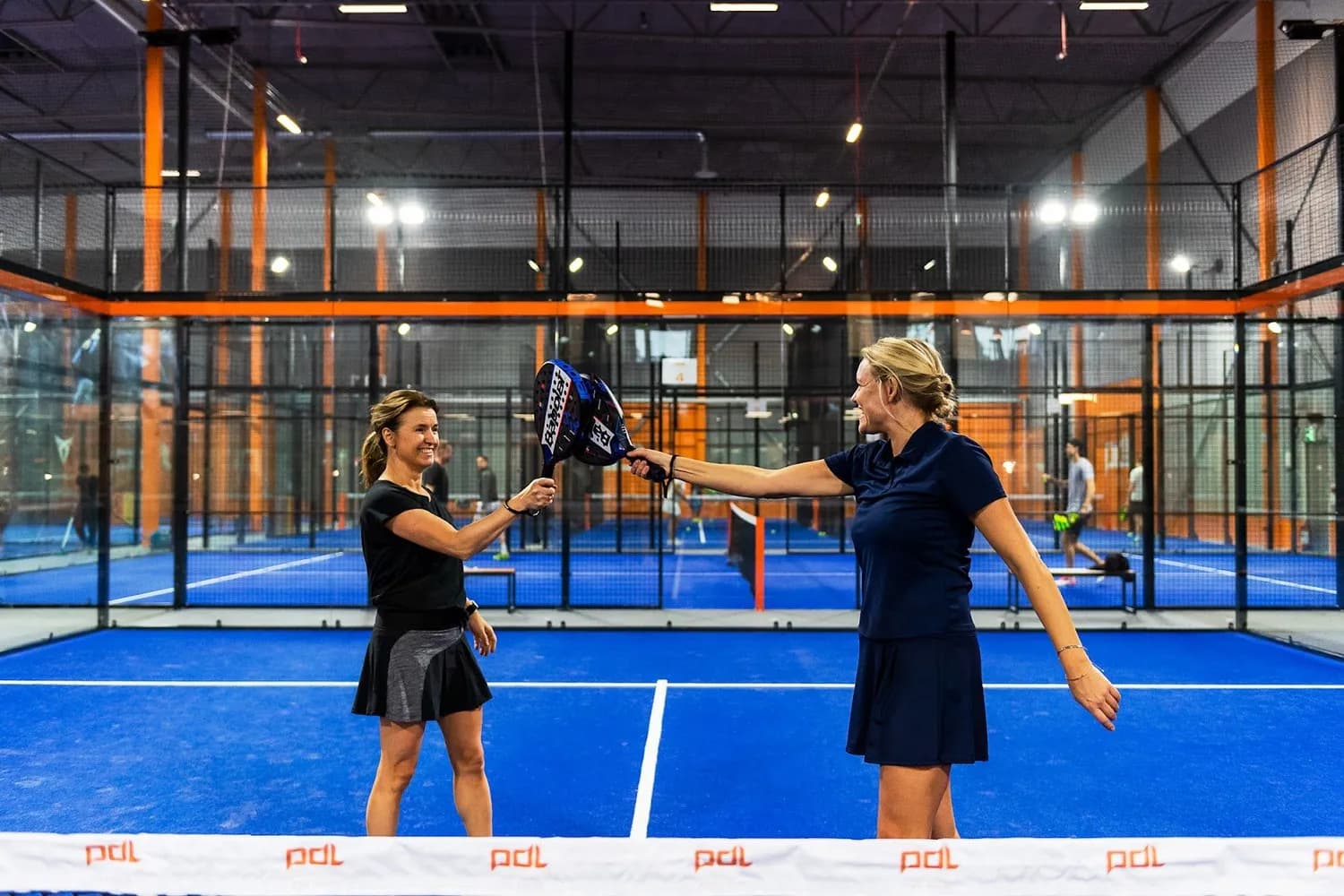
- Mandatory Partnership: Padel is almost exclusively played in doubles. This non-negotiable requirement for a partner and two opponents immediately creates a social quad. Success is contingent on communication, coordination, and mutual support, building bonds of trust and camaraderie.
- Proximity and Communication: The court's compact dimensions (20x10 meters) place all four players in close proximity. This facilitates constant verbal and non-verbal communication—a shared glance, a word of encouragement, a quick strategic huddle between points. This high density of interaction is a powerful countermeasure to social isolation.
- Low Barrier to Entry: The underhand serve and the ability to play shots off the glass walls make rallies longer and more accessible for beginners. This rapid learning curve reduces frustration and encourages participation from a wider demographic, fostering diverse and inclusive social circles.
- The 'Third Half' Culture: Padel clubs are globally recognized as social hubs. The culture strongly encourages post-match socialization, where players share a drink or a meal. This 'third half' is where acquaintanceships transition into friendships, solidifying the social support networks that are critical for long-term mental health.
A Holistic Health Intervention
Padel is more than a sport; it is a holistic wellness modality perfectly suited to address the dual modern epidemics of physical inactivity and social isolation. Its physiological demands build a strong, resilient body, while its neurochemical effects enhance mood and cognitive function. Most critically, its intrinsic social design actively forges the human connections we are evolutionarily wired to need. For researchers and enthusiasts alike, understanding the comprehensive padel health benefits reveals a powerful tool for building healthier individuals and more connected communities, one court at a time.